


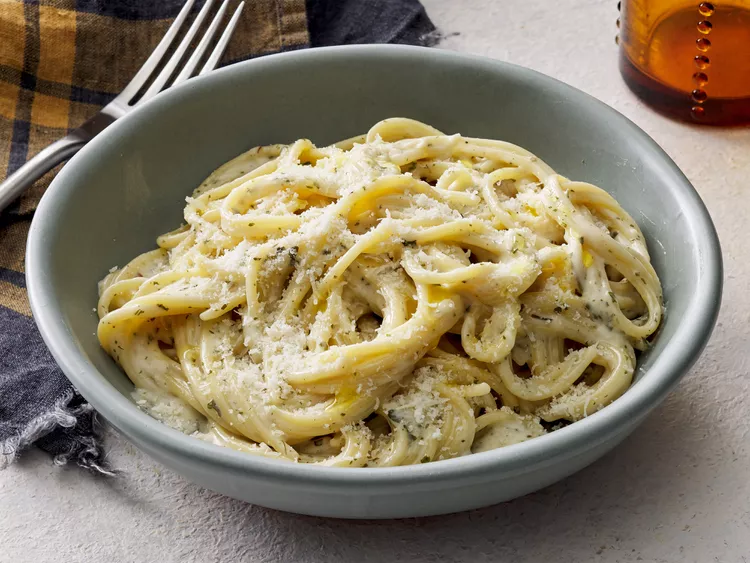
Creamy Garlic Pasta Recipe – Easy, Rich and Ready in 30 Minutes
This Creamy Garlic Pasta recipe combines tender pasta with a silky Parmesan garlic cream sauce for an easy dinner that tastes far more luxurious than the ingredient list suggests. Made with butter, fresh garlic, heavy cream, Parmesan cheese, and reserved pasta water, it delivers a rich, savory sauce that coats every strand without becoming excessively thick.
Better still, the entire dish can be ready in about 30 minutes. That makes this easy creamy garlic pasta equally suitable for a busy weeknight, a comforting weekend meal, or a simple dinner when you want restaurant-style pasta without complicated preparation.
The technique is straightforward but important: gently cook the garlic in butter, simmer the cream briefly, melt in freshly grated Parmesan over low heat, and finish the pasta directly in the sauce. Reserved pasta water brings everything together, creating the glossy consistency that makes a good cream sauce so satisfying.
Prep time: 10 minutes
Cook time: 20 minutes
Total time: 30 minutes
Servings: 4
Difficulty: Easy
Why You’ll Love This Creamy Garlic Pasta
Creamy pasta doesn’t need dozens of ingredients to develop plenty of flavor. Fresh garlic and Parmesan provide most of the character here, while butter and cream create the luxurious texture.
This recipe is also highly adaptable. You can serve it exactly as written or turn it into creamy garlic chicken pasta, shrimp pasta, mushroom pasta, or a vegetable-packed dinner.
Most importantly, the sauce is designed to stay creamy rather than becoming gluey. Pasta water loosens the cream while its starch helps the sauce cling to the noodles.
Ingredients for Creamy Garlic Pasta
Pasta and Garlic Cream Sauce
- 12 ounces fettuccine, linguine, spaghetti, or tagliatelle
- 2 tablespoons unsalted butter
- 1 tablespoon extra-virgin olive oil
- 6 garlic cloves, finely minced
- 1 cup heavy cream
- 3/4 cup finely grated Parmesan cheese
- 1/2 teaspoon freshly ground black pepper
- 1/4 teaspoon kosher salt, plus more as needed
- 1/2 to 1 cup reserved pasta cooking water
- 1 teaspoon fresh lemon juice, optional
For Garnishing
- 2 tablespoons finely chopped fresh parsley
- Freshly grated Parmesan cheese
- Freshly ground black pepper
- Crushed red pepper flakes, optional
How to Make Creamy Garlic Pasta
1. Cook the Pasta
Bring a large pot of water to a rolling boil. Season the water generously with salt.
Add the pasta and cook until just al dente, following the package directions but checking it approximately 1 minute before the suggested cooking time.
Before draining, reserve at least 1 cup of pasta cooking water.
Drain the pasta but do not rinse it. Rinsing removes surface starch that helps the garlic cream sauce adhere to the noodles.
2. Sauté the Garlic
While the pasta cooks, place a large skillet over medium-low heat.
Add the butter and olive oil. Once the butter has melted, add the minced garlic.
Cook for 60 to 90 seconds, stirring frequently.
The goal is to soften the garlic and release its aroma without deeply browning it. If garlic burns, it becomes bitter and can overpower the entire sauce.
3. Add the Heavy Cream
Pour the heavy cream into the skillet and stir well.
Increase the heat slightly until the cream reaches a gentle simmer, then return the heat to medium-low.
Cook for 3 to 4 minutes, stirring occasionally. The cream should reduce slightly but should not boil aggressively.
Season with black pepper and 1/4 teaspoon salt.
4. Melt in the Parmesan
Turn the heat to low.
Add the Parmesan gradually, stirring continuously as you add it.
Continue stirring until the cheese has completely melted and the sauce looks smooth and creamy.
Freshly grated Parmesan is important here. Pre-shredded cheese may contain anti-caking ingredients that prevent it from melting as smoothly.
5. Add the Pasta
Transfer the drained pasta directly into the skillet.
Toss continuously with tongs for 1 to 2 minutes, allowing the pasta to finish cooking in the sauce.
Add reserved pasta water approximately 2 tablespoons at a time until the sauce reaches a smooth, glossy consistency.
The sauce should coat the noodles easily without looking watery or excessively thick.
6. Finish and Serve
Taste and adjust the seasoning with additional salt and black pepper.
If desired, stir in 1 teaspoon lemon juice. The acidity won’t make the pasta taste strongly of lemon; instead, it helps balance the richness of the butter, cream, and Parmesan.
Remove from the heat.
Finish with parsley, Parmesan, black pepper, and crushed red pepper flakes if desired.
Serve immediately.
The Secret to a Perfect Creamy Garlic Sauce
The best creamy garlic pasta sauce depends less on complicated ingredients than on temperature and emulsification.
Heavy cream naturally provides richness, but Parmesan can become grainy if exposed to excessive heat. Lowering the temperature before adding the cheese allows it to melt gradually.
Pasta water is equally important.
As pasta cooks, starch moves into the surrounding water. Adding small amounts of that starchy liquid to the sauce helps the cream, butter, cheese, and water combine into a cohesive mixture.
This is why ordinary water doesn’t produce quite the same result.
Expert Tips for Restaurant-Style Creamy Garlic Pasta
Don’t Brown the Garlic Too Much
Garlic changes quickly from fragrant to bitter. Keep the heat moderate and stir constantly. Pale golden garlic is fine, but dark brown garlic should be avoided.
Grate Parmesan Finely
Finely grated Parmesan incorporates into warm cream more efficiently than thick shreds.
For the smoothest possible sauce, grate the cheese immediately before cooking.
Keep the Sauce Slightly Loose
A Parmesan cream sauce thickens rapidly as it cools.
When the pasta leaves the skillet, the sauce should therefore look slightly looser than your ideal final consistency. By the time it reaches the plate, it will have thickened.
Add Pasta Water Gradually
You can always add more liquid, but removing excess liquid is more difficult.
Start with a few tablespoons and continue until the pasta looks glossy.
Finish the Pasta in the Sauce
Don’t simply spoon cream sauce over cooked pasta.
Cooking the noodles in the skillet for their final minute encourages the pasta and sauce to combine while allowing the noodles to absorb more flavor.
Creamy Garlic Pasta Variations
Creamy Garlic Chicken Pasta
Add sliced cooked chicken breast for an easy protein-rich variation.
For the best flavor, season boneless, skinless chicken breast with salt and pepper and sear it separately until golden and the thickest part reaches 165°F. Let it rest briefly, slice it, and arrange it over the finished pasta.
Creamy Garlic Shrimp Pasta
Shrimp and garlic are a natural combination.
Sauté 1 pound of peeled, deveined shrimp until opaque and cooked through, generally 1 to 2 minutes per side, depending on size. Remove the shrimp before preparing the sauce, then return it to the skillet at the end.
Creamy Garlic Mushroom Pasta
For a meatless variation, sauté 8 ounces of sliced cremini or baby bella mushrooms until well browned.
Remove the mushrooms, prepare the garlic cream sauce in the same skillet, and return them when adding the pasta.
Spicy Creamy Garlic Pasta
Add 1/4 to 1/2 teaspoon crushed red pepper flakes while cooking the garlic.
The chile heat provides excellent contrast to the rich Parmesan cream sauce.
Spinach Garlic Pasta
Add 2 to 3 cups fresh baby spinach during the final few minutes of cooking. Toss until just wilted.
Lighter Garlic Pasta
Replace half of the heavy cream with whole milk. The sauce won’t be quite as luxurious, but it will still have good flavor.
Avoid skim milk, which doesn’t provide enough richness for the same creamy consistency.
Best Pasta for Creamy Garlic Sauce
Long noodles are particularly effective for this recipe because they provide plenty of surface area for the cream sauce.
Fettuccine produces a particularly luxurious result, while linguine offers a slightly lighter eating experience. Spaghetti is an excellent everyday option, and tagliatelle works beautifully when you want wider ribbons.
Short shapes can work too.
Penne, rigatoni, fusilli, and farfalle capture the creamy garlic sauce in their ridges, tubes, and folds, making them good alternatives for family-style dinners.
What to Serve With Creamy Garlic Pasta
Creamy Garlic Pasta is rich, so accompaniments with freshness, acidity, or crisp texture provide the best balance.
A green salad with lemon vinaigrette is one of the simplest options. Arugula is particularly good because its peppery flavor contrasts with the mild cream sauce.
For vegetables, try roasted broccoli, asparagus, Brussels sprouts, zucchini, green beans, or broccolini.
Garlic bread and crusty Italian bread are excellent choices when you want a heartier meal and something to catch any sauce left on the plate.
For additional protein, pair the pasta with grilled chicken, shrimp, salmon, or sliced steak.
Storage and Reheating
How to Store Creamy Garlic Pasta
Transfer cooled leftovers to an airtight container and refrigerate for up to 3 days.
The pasta will continue absorbing liquid as it rests, so the sauce will be thicker after refrigeration.
How to Reheat It
The stovetop provides the best results.
Place the pasta in a skillet over low to medium-low heat and add a small splash of milk, cream, or water.
Heat gently while tossing until the sauce becomes creamy again and the pasta is thoroughly heated.
Avoid high heat because it can cause the cream sauce to separate.
Can You Freeze Creamy Garlic Pasta?
Freezing isn’t recommended.
Cream-and-cheese sauces can separate after thawing, and cooked pasta can lose its ideal texture. This dish is significantly better when freshly prepared or refrigerated for a short period.
Make-Ahead Tips
Creamy Garlic Pasta is best assembled immediately before eating, but much of the preparation can be completed earlier.
The garlic can be minced, Parmesan grated, and parsley chopped several hours ahead. Store each ingredient covered in the refrigerator.
When you’re ready to eat, boil the pasta and make the sauce fresh. Because the sauce itself takes only a few minutes, preparing it ahead provides little advantage and may compromise its silky texture.
Nutrition Information
Estimated nutrition per serving based on four servings:
| Nutrient | Amount |
|---|---|
| Calories | 650 kcal |
| Protein | 19 g |
| Fat | 36 g |
| Saturated Fat | 21 g |
| Carbohydrates | 64 g |
| Fiber | 3 g |
| Sugar | 4 g |
| Sodium | 540 mg |
Nutrition values are estimates and will vary according to the pasta, Parmesan, cream, butter, and other ingredients used.
Frequently Asked Questions
What Is Creamy Garlic Pasta Made Of?
A basic Creamy Garlic Pasta recipe combines cooked pasta with butter, garlic, heavy cream, Parmesan cheese, seasoning, and reserved pasta water. Parsley, lemon, and crushed red pepper can be added for additional freshness and flavor.
How Do You Make Garlic Cream Sauce Thicker?
Allow the cream to simmer gently for several minutes before adding Parmesan. The cheese will thicken the sauce further.
Remember that the sauce continues thickening as it cools, so avoid reducing it too aggressively.
How Do You Thin Creamy Pasta Sauce?
Add reserved pasta water 1 or 2 tablespoons at a time while tossing the pasta.
If you’ve already discarded the pasta water, a small amount of warm water or milk can be used instead.
Why Did My Creamy Pasta Sauce Turn Grainy?
Excessive heat is a common cause. Parmesan should be incorporated over low heat rather than boiled.
Using freshly and finely grated Parmesan also helps produce a smoother sauce.
Can I Make Creamy Garlic Pasta Without Heavy Cream?
Yes. Half-and-half can be substituted for a lighter sauce. Whole milk can also work, although the final sauce will be noticeably thinner and less rich.
Can I Add Vegetables?
Absolutely. Spinach, mushrooms, broccoli, asparagus, peas, zucchini, and sun-dried tomatoes all pair well with garlic and Parmesan.
Easy Creamy Garlic Pasta for Any Night of the Week
There is a reason Creamy Garlic Pasta works so well as an easy dinner: a handful of familiar ingredients can produce an exceptionally satisfying result when they’re handled correctly.
Fresh garlic gives the sauce its savory foundation, Parmesan adds salty depth, and heavy cream creates richness. Reserved pasta water is the final piece, turning those ingredients into a glossy sauce that clings beautifully to the noodles.
Keep the heat gentle, use freshly grated Parmesan, and don’t forget to reserve the pasta water. With those simple techniques, this easy Creamy Garlic Pasta recipe delivers a smooth, restaurant-style dinner in approximately 30 minutes—without complicated ingredients or an elaborate cooking process.