


The Ultimate Guide to Burmese Chicken-Coconut Soup (Ohn No Kauk Swe)
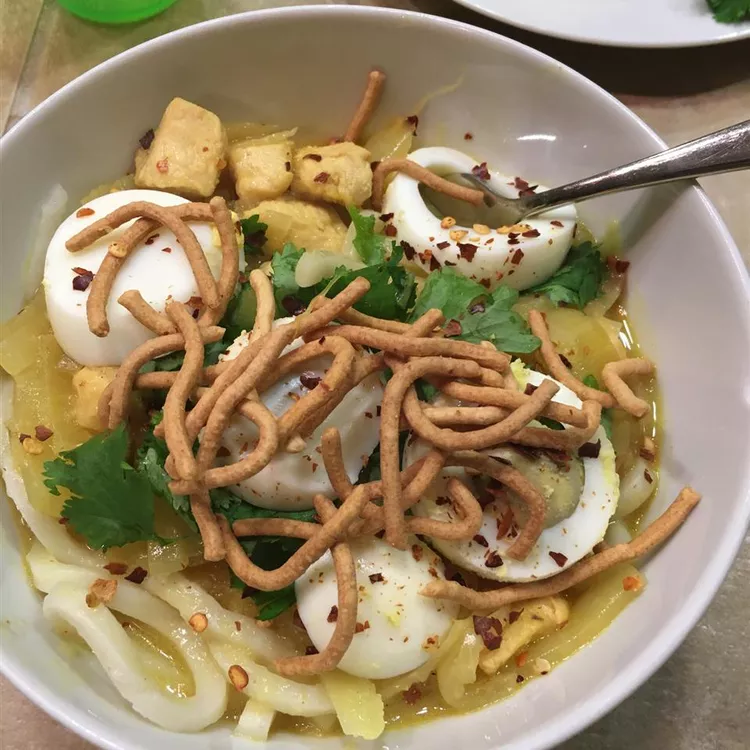
Burmese Chicken-Coconut Soup, known traditionally as Ohn No Kauk Swe, is the quintessential comfort food of Myanmar. This aromatic, golden-hued noodle soup strikes a masterful balance between the richness of coconut milk and the savory depth of chickpea flour, resulting in a broth that is velvety, fragrant, and deeply satisfying.
In the landscape of Southeast Asian soups, Ohn No Kauk Swe sits somewhere between the spicy intensity of a Thai Laksa and the herbal complexity of a Vietnamese Pho. However, its use of toasted chickpea flour as a thickener and the specific interplay of turmeric and fish sauce give it a distinct profile that is uniquely Burmese. Whether you are a seasoned home cook or a curious newcomer to Myanmarese cuisine, this recipe offers a professional-grade approach to creating a restaurant-quality bowl in your own kitchen.
Why This Recipe Works
The success of a great Burmese Coconut Noodle Soup lies in three key pillars: the aromatics, the thickening agent, and the garnish.
-
The Aromatics: We begin by pulsing shallots, ginger, and garlic into a fine paste. Frying this paste until the “raw” smell dissipates creates a foundation of sweetness and pungency.
-
The Chickpea Flour: Unlike many soups that rely on reduction, this recipe uses toasted chickpea flour (besan). This not only thickens the soup but adds a nutty, earthy undertone that offsets the sweetness of the coconut.
-
The Textural Contrast: The soup itself is creamy and soft. To make it a complete experience, we introduce “crunch” through fried noodles or crackers, “acid” from lime wedges, and “sharpness” from raw shallots.
Ingredients
This recipe serves 4 to 6 people. All measurements are provided in standard U.S. units.
For the Chicken and Broth
-
1.5 lbs Boneless, skinless chicken thighs, cut into 1/2-inch bite-sized pieces
-
2 cans (13.5 oz each) Full-fat coconut milk
-
4 cups High-quality chicken stock (low sodium preferred)
-
1/2 cup Chickpea flour (besan)
-
3 tbsp Neutral oil (grapeseed, canola, or vegetable oil)
-
1 tsp Turmeric powder
-
1 tbsp Paprika (for color and mild warmth)
-
3 tbsp Fish sauce (adjust to taste)
-
1 tsp Kosher salt
The Aromatic Paste
-
2 medium Shallots, peeled and roughly chopped
-
5 cloves Garlic, peeled
-
2-inch piece Fresh ginger, peeled and sliced
For the Noodles
-
1 lb Fresh or dried wheat noodles (medium thickness, similar to lo mein or linguine)
Essential Garnishes
-
4 Hard-boiled eggs, peeled and halved
-
1/2 cup Red onion or shallots, thinly sliced
-
1 cup Crispy fried noodles or crushed wonton strips
-
1 bunch Fresh cilantro, chopped
-
2 Limes, cut into wedges
-
Red chili flakes (in oil or dry)
Step-by-Step Instructions
1. Prepare the Aromatic Base
Place the chopped shallots, garlic, and ginger into a food processor or blender. Pulse until a smooth paste forms. If necessary, add 1 tablespoon of water to help the blades catch. Set aside.
2. Toast the Chickpea Flour
In a small, dry skillet over medium heat, add the chickpea flour. Whisk constantly for 3–5 minutes until the flour smells nutty and turns a shade darker. Caution: Chickpea flour burns quickly; remove it from the heat the moment it becomes fragrant. In a small bowl, whisk the toasted flour with 1 cup of the room-temperature chicken stock until no lumps remain. This “slurry” ensures a smooth soup texture.
3. Sauté the Aromatics and Chicken
Heat the neutral oil in a large Dutch oven or heavy-bottomed pot over medium heat. Add the aromatic paste, turmeric, and paprika. Sauté for 5–7 minutes. You are looking for the oil to begin separating from the paste and for the color to deepen to a rich orange-gold.
Add the chicken pieces to the pot. Cook for 4–5 minutes, stirring frequently, until the chicken is opaque on the outside and thoroughly coated in the spiced oil.
4. Simmer the Soup
Pour in the remaining 3 cups of chicken stock and the chickpea flour slurry. Bring the mixture to a gentle boil, then immediately reduce the heat to low. Simmer for 15 minutes, stirring occasionally to prevent the chickpea flour from settling and sticking to the bottom of the pot.
5. Incorporate the Coconut Milk
Stir in both cans of coconut milk and the fish sauce. Continue to simmer on low for another 10–12 minutes. Do not allow the soup to reach a rolling boil once the coconut milk is added, as this can cause the fat to separate or the milk to curdle. The soup should be thick enough to lightly coat the back of a spoon. Taste and add salt if needed.
6. Prepare the Noodles
While the soup simmers, cook your wheat noodles according to the package instructions. Drain and rinse briefly with warm water to prevent sticking. Divide the noodles into individual serving bowls.
7. Assembly
Ladle the hot chicken and coconut broth over the noodles. Ensure each bowl gets a generous portion of chicken.
Expert Tips for Success
The “Layering” Technique
In Burmese culture, the garnishes are not optional—they are an integral part of the flavor structure. The soup itself is intentionally mild and rich. The “brightness” comes from the lime juice you squeeze over it at the table, and the “funk” comes from the raw shallots. Encourage your guests to customize their bowls.
Controlling the Consistency
If you prefer a thinner broth, increase the chicken stock by 1 cup. If you prefer a very thick, stew-like consistency (similar to what is served in some parts of Yangon), increase the chickpea flour to 2/3 cup.
Achieving the Signature Color
The vibrant yellow-orange color comes from the combination of turmeric and paprika. If your soup looks pale, it is usually because the aromatic paste wasn’t sautéed long enough. Ensure the spices bloom in the oil before adding liquids.
Variations and Substitutions
| Ingredient | Substitution | Notes |
| Chicken Thighs | Chicken Breast or Tofu | Thighs remain tender; if using breast, add it later to avoid drying out. |
| Wheat Noodles | Rice Noodles | Use thick rice sticks for a gluten-free version. |
| Fish Sauce | Soy Sauce + Salt | For those with seafood allergies, though the flavor profile will shift. |
| Chickpea Flour | Toasted Lentil Flour | Provides a similar nutty thickness. |
Dietary Adjustments
-
Vegetarian/Vegan: Replace chicken with firm tofu or cauliflower florets. Use vegetable stock instead of chicken stock and substitute fish sauce with a vegan “no-fish” sauce or extra light soy sauce.
-
Gluten-Free: Ensure your chickpea flour is certified GF and use wide rice noodles (Pad Thai style) instead of wheat noodles.
Serving Suggestions
Ohn No Kauk Swe is traditionally a breakfast dish, but it has evolved into a popular lunch and dinner staple.
-
Pairing: Serve alongside a crisp, acidic salad like a Burmese Ginger Salad (Gyin Thoke) or a simple cucumber salad to cut through the richness of the coconut.
-
Presentation: Use deep, wide bowls. Place the halved hard-boiled egg on top of the noodles before pouring the soup to allow the yolk to warm slightly.
Storage & Make-Ahead Notes
-
Refrigeration: The soup base (chicken and broth) stores beautifully. Keep it in an airtight container for up to 4 days. Note that the chickpea flour will cause the soup to thicken significantly as it cools.
-
Freezing: You can freeze the broth for up to 3 months. However, the texture of the coconut milk may slightly change. Thaw overnight in the fridge and whisk well while reheating.
-
Reheating: Reheat on the stovetop over medium-low heat. You will likely need to add a splash of water or stock to loosen the consistency. Always store the noodles and garnishes separately from the soup to prevent the noodles from becoming mushy.
Nutrition Information
Per Serving (approx. 1 bowl with noodles and garnishes)
-
Calories: 540 kcal
-
Protein: 32g
-
Fat: 28g
-
Saturated Fat: 18g
-
Carbohydrates: 42g
-
Fiber: 4g
-
Sugar: 5g
-
Sodium: 980mg