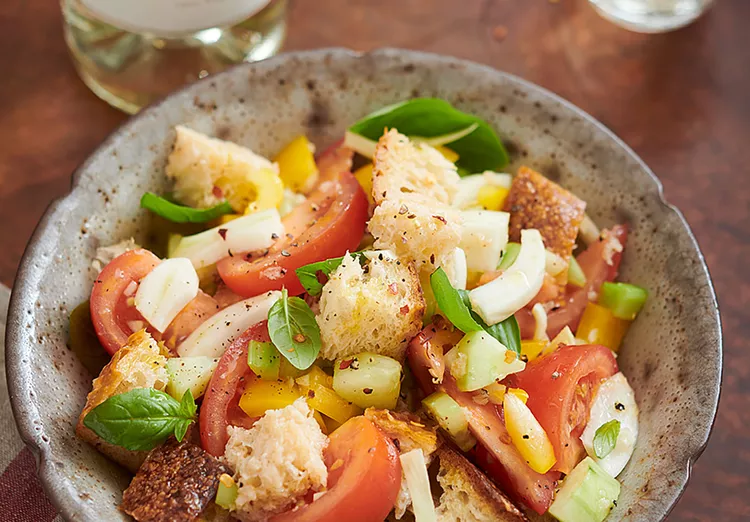
The Ultimate Tuscan Panzanella: A Masterclass in the Classic Italian Bread Salad
There is a specific kind of culinary magic that happens when stale bread meets the juice of a sun-ripened tomato. In the pantheon of Italian “cucina povera”—the kitchen of the poor—few dishes command as much respect and nostalgic affection as Panzanella. This classic Tuscan bread salad is the epitome of resourceful cooking, transforming humble, day-old sourdough into a vibrant, textural masterpiece that tastes like the very essence of an Italian summer.
While many modern interpretations treat Panzanella as a standard green salad with a few croutons tossed in, the authentic version is something entirely different. It is a harmonious marriage of acidity, crunch, and herbaceousness. It is a dish that relies not on complex techniques, but on the impeccable quality of its ingredients and a fundamental understanding of how to manage moisture.
In this guide, we will explore the nuances of crafting a professional-grade Panzanella that would feel at home on the tables of Florence or the pages of a high-end culinary journal.
The Philosophy of the Bread
The soul of a Panzanella is the bread. Traditionally, Tuscans use pane sciocco—a saltless bread with a dense crumb. Since this can be hard to find outside of Italy, a high-quality, crusty Sourdough or a Ciabatta loaf is the gold standard.
The secret to a non-mushy salad is to ensure the bread is truly dehydrated. We aren’t looking for toasted croutons; we want “rusks” that are bone-dry, allowing them to soak up the tomato vinaigrette like a sponge while retaining a structural “chew” at the center.
Ingredients
For the Salad Base
-
1 lb (approx. 6 cups) Sturdy Bread: Sourdough or Ciabatta, cut into 1-inch cubes.
-
2.5 lbs Ripe Heirloom or Beefsteak Tomatoes: Use a variety of colors for visual appeal.
-
1 Large English Cucumber: Partially peeled (striped), halved lengthwise, and sliced into half-moons.
-
1 Small Red Onion: Very thinly sliced into half-moons.
-
1/2 cup Extra Virgin Olive Oil: Use the best quality “finishing” oil you have.
-
1/4 cup Red Wine Vinegar: For that essential sharp tang.
-
2 cloves Garlic: Minced or grated into a paste.
-
1 cup Fresh Basil Leaves: Torn by hand (never chopped, to prevent bruising).
-
2 tsp Kosher Salt: Plus more for seasoning the tomatoes.
-
1/2 tsp Freshly Cracked Black Pepper.
Optional Additions (Modern Classics)
-
2 tbsp Non-pareil Capers: Drained and rinsed.
-
1/2 cup Pitted Kalamata Olives: Torn in half.
-
4 oz Fresh Mozzarella or Bocconcini: For a creamy contrast.
Step-by-Step Instructions
1. Dehydrate the Bread
Preheat your oven to 300°F. Spread the bread cubes in a single layer on a large rimmed baking sheet. Bake for 15–20 minutes until the bread is hard and dry to the touch but has not taken on significant brown color. This “staling” process is vital; if the bread is fresh, the salad will turn to mush. Remove from the oven and let cool completely.
2. Salt the Tomatoes (The Essential Step)
Cut the tomatoes into bite-sized wedges or chunks. Place them in a large colander set over a glass or stainless steel bowl. Sprinkle with 1 teaspoon of kosher salt and toss gently. Let the tomatoes sit for at least 30 minutes.
Chef’s Note: This process draws out the tomato water, which becomes the flavorful base of your dressing. Do not skip this!
3. Macerate the Onions
While the tomatoes drain, place the sliced red onions in a small bowl with a tablespoon of red wine vinegar and a pinch of salt. Let them sit for 10 minutes. This “quick-pickle” softens their raw bite and turns them a beautiful vibrant pink.
4. Construct the Vinaigrette
Remove the colander of tomatoes. You should have roughly 1/4 to 1/2 cup of tomato juice in the bowl. To this juice, whisk in the remaining red wine vinegar, minced garlic, black pepper, and the extra virgin olive oil. The result is a bright, emulsified dressing infused with the essence of the tomatoes.
5. Assemble and Hydrate
In a very large mixing bowl, combine the dried bread cubes, the drained tomatoes, sliced cucumbers, and the macerated onions (including their liquid). Pour the dressing over the mixture and toss thoroughly with large spoons or clean hands.
6. The Rest Period
Allow the salad to sit at room temperature for at least 30 to 45 minutes. This allows the bread to absorb the dressing. Toss the mixture every 15 minutes to ensure the bottom layer doesn’t get oversaturated while the top stays dry.
7. Final Flourish
Just before serving, add the fresh torn basil and any optional ingredients like capers or mozzarella. Give it one final, gentle toss. Taste and adjust with a final pinch of salt or a drizzle of olive oil if the bread feels too dry.
Expert Tips & Variations
Professional Cooking Tips
-
Temperature Matters: Never refrigerate your tomatoes before making this dish. Cold temperatures destroy the cellular structure and flavor-producing enzymes of the tomato, leading to a mealy texture.
-
The Squeeze Test: The bread is ready when the exterior is soft but the center still provides a slight resistance (al dente).
-
Oil Quality: Since this is a raw preparation, the flavor of your olive oil will be front and center. Look for a “First Cold Pressed” oil with peppery notes.
Ingredient Substitutions
-
Vinegar: If red wine vinegar is too sharp, use Champagne vinegar for a softer profile. Avoid Balsamic for the main dressing as it can turn the salad an unappealing muddy color.
-
The Bread: In a pinch, a baguette can work, but avoid soft “sandwich” breads or brioche, as they lack the structural integrity to hold up to the dressing.
Dietary Variations
-
Gluten-Free: Use a high-quality, dense gluten-free loaf. Increase the drying time in the oven, as GF bread tends to have higher moisture content.
-
Vegan: This recipe is naturally vegan. Ensure your bread choice does not contain honey or milk solids.
-
Protein Boost: Add a tin of high-quality oil-packed tuna or chickpeas to turn this side dish into a hearty main.
Serving Suggestions
Panzanella is the ultimate partner for grilled proteins. It cuts through the richness of a Bistecca alla Fiorentina (Florentine Steak) or pairs beautifully with lemon-herb roasted chicken.
-
Plating: Serve in a wide, shallow wooden bowl to highlight the colors of the heirlooms and basil.
-
Texture Pairing: Because the salad is juicy and chewy, pair it with something crisp, like a chilled glass of Vermentino or a dry Rosé.
-
When to Serve: This is a summer-exclusive dish. It should only be made when tomatoes are at their seasonal peak.
Storage & Make-Ahead Notes
-
Make-Ahead: You can prep the bread and the dressing (tomato water included) up to 24 hours in advance. Keep them separate until 45 minutes before serving.
-
Refrigeration: Panzanella is best enjoyed the day it is made. If you have leftovers, store them in an airtight container in the fridge for up to 24 hours. Note that the bread will lose its “bite” and become significantly softer.
-
Freezing: This dish is not suitable for freezing.
-
Reheating: Never reheat Panzanella. If eating leftovers from the fridge, let them sit at room temperature for 20 minutes to allow the olive oil to liquefy and the flavors to wake up.
Nutrition Information
Per Serving (Based on 6 servings)
| Nutrient | Amount per Serving |
| Calories | 340 kcal |
| Protein | 6g |
| Fat | 19g |
| Saturated Fat | 2.5g |
| Carbohydrates | 38g |
| Fiber | 4g |
| Sugar | 6g |
| Sodium | 780mg |
Note: Nutritional values are estimates based on standard ingredients.