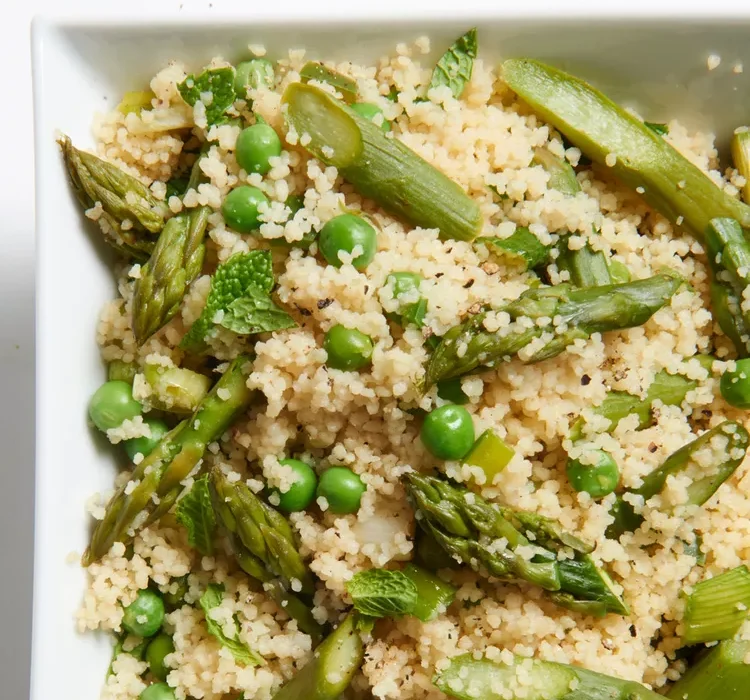
The Ultimate Pearl Couscous Primavera: A Fresh Celebration of Spring Vegetables
There is a specific moment in the culinary calendar when the heavy, slow-simmered stews of winter lose their appeal, and the palate begins to crave the vibrance of the garden. Couscous Primavera is the definitive answer to that craving. Drawing inspiration from the classic Italian-American Pasta Primavera popularized in the 1970s, this dish swaps heavy pasta for pearl couscous (also known as Israeli couscous), resulting in a lighter, more sophisticated texture that perfectly carries the flavors of lemon, garlic, and fresh herbs.
This recipe isn’t just about mixing vegetables with grain; it is about technique. By lightly toasting the couscous before simmering and using a “staggered blanching” method for the vegetables, we ensure every component retains its integrity—crunchy, bright, and deeply flavorful. Whether served as a centerpiece for a vegetarian dinner or a vibrant side for roasted salmon, this Couscous Primavera is a masterclass in seasonal cooking.
The Ingredients
This recipe focuses on “Primavera” (Spring) staples, but the beauty of the dish lies in its versatility. For the best results, use the freshest seasonal produce available.
For the Pearl Couscous
-
2 cups Pearl (Israeli) Couscous: These toasted semolina pearls have a chewy, pasta-like texture.
-
1 tablespoon Extra-Virgin Olive Oil: For toasting the grains.
-
3 cups Low-Sodium Vegetable Broth: Adds more depth than plain water.
-
½ teaspoon Kosher Salt: To season the grain from the inside out.
The Spring Vegetables
-
1 bunch Asparagus (approx. 1 lb): Woody ends trimmed, cut into 1-inch pieces.
-
1 cup Frozen or Fresh Peas: Sweetness and a pop of color.
-
1 cup Zucchini: Quartered and sliced into half-moons.
-
1 cup Snap Peas: String removed, sliced on a bias.
-
2 tablespoons Unsalted Butter: For a silky finish.
-
3 cloves Garlic: Minced finely.
-
1 small Shallot: Diced finely.
The Finishers
-
¼ cup Fresh Parsley: Roughly chopped.
-
2 tablespoons Fresh Mint or Basil: Torn or chiffonade.
-
1 Lemon: Zested and juiced.
-
½ cup Freshly Grated Parmesan Cheese: For a savory, nutty finish.
-
Red Pepper Flakes: To taste (optional).
Step-by-Step Instructions
1. Toast and Simmer the Couscous
In a large saucepan or Dutch oven, heat one tablespoon of olive oil over medium-high heat. Add the pearl couscous and cook, stirring frequently, for 3–5 minutes. You are looking for the pearls to turn a golden-brown color and emit a nutty aroma. This step is crucial; it prevents the couscous from becoming mushy.
Carefully pour in the vegetable broth and salt. Bring to a boil, then reduce the heat to low. Cover and simmer for 8–10 minutes, or until the liquid is absorbed and the pearls are al dente. Remove from heat and fluff with a fork.
2. Prepare the Vegetable Medley
While the couscous simmers, bring a medium pot of salted water to a boil. Prepare an ice bath nearby. Blanch the asparagus and snap peas for 2 minutes. Add the frozen peas for the final 30 seconds. Immediately transfer the vegetables to the ice bath to “shock” them. This preserves their vivid green color and prevents overcooking. Drain and pat dry.
3. Sauté the Aromatics
In a large skillet, melt the 2 tablespoons of butter over medium heat. Add the diced shallots and sauté for 2 minutes until translucent. Add the zucchini and cook for another 3–4 minutes until just tender and slightly browned. Stir in the minced garlic and red pepper flakes, cooking for just 60 seconds until fragrant.
4. Combine and Emulsify
Add the blanched vegetables into the skillet with the zucchini and aromatics. Toss to coat in the garlic butter. Fold in the cooked pearl couscous.
Turn the heat to low and add the lemon juice and half of the lemon zest. Stir in the grated Parmesan cheese and the fresh herbs (parsley and mint/basil). The residual heat will melt the cheese into a light, silky sauce that coats the pearls.
5. Final Seasoning
Taste the dish. Adjust with more salt, black pepper, or lemon juice as needed. Garnish with the remaining lemon zest and an extra sprinkle of Parmesan before serving.
Expert Tips & Variations
Professional Cooking Tips
-
The Texture Secret: If the dish feels too dry when combining, add 2 tablespoons of warm vegetable broth or a splash of pasta water. This creates a light emulsion with the butter and cheese.
-
Don’t Skip the Toasting: Untoasted Israeli couscous can taste “floury.” Toasting adds a layer of complexity that mimics the flavor of toasted nuts.
-
Vegetable Sizing: Ensure all vegetables are cut to a similar size (roughly the size of the snap peas) to ensure a balanced bite.
Substitutions & Dietary Adjustments
| Ingredient | Substitution | Dietary Note |
| Pearl Couscous | Orzo or Quinoa | Quinoa makes this Gluten-Free |
| Parmesan | Nutritional Yeast | Makes the dish Vegan |
| Butter | Extra-Virgin Olive Oil | For a lighter, dairy-free version |
| Vegetable Broth | Chicken Broth | Adds more savory richness |
Serving Suggestions
Couscous Primavera is a versatile “chameleon” dish. It shines in several contexts:
-
The Elegant Lunch: Serve warm in shallow bowls with a side of crusty sourdough bread and a crisp glass of Sauvignon Blanc.
-
The Dinner Companion: This is the perfect bed for pan-seared scallops, grilled shrimp, or a lemon-herb roasted chicken breast.
-
The Cold Salad: This recipe transitions beautifully into a cold pasta salad. If serving cold, add a drizzle of balsamic glaze or extra lemon vinaigrette just before serving to brighten the flavors back up.
Storage & Make-Ahead Notes
Refrigeration
Store leftovers in an airtight container for up to 4 days. Because the couscous absorbs moisture over time, the dish may tighten up in the fridge.
Reheating
-
Stovetop: Heat a splash of water or broth in a pan over medium heat. Add the couscous and toss gently until heated through.
-
Microwave: Place in a microwave-safe bowl, cover with a damp paper towel, and heat in 30-second intervals.
Make-Ahead
You can blanch the vegetables and cook the couscous up to 24 hours in advance. Keep them stored separately. When ready to serve, proceed with the “Sauté the Aromatics” step and combine everything as directed.
Nutrition Information
Per Serving (Based on 6 servings)
| Nutrient | Amount |
| Calories | 310 kcal |
| Protein | 11g |
| Fat | 9g |
| Saturated Fat | 4g |
| Carbohydrates | 48g |
| Fiber | 6g |
| Sugar | 4g |
| Sodium | 480mg |
Note: Nutritional values are estimates based on standard ingredient measurements.