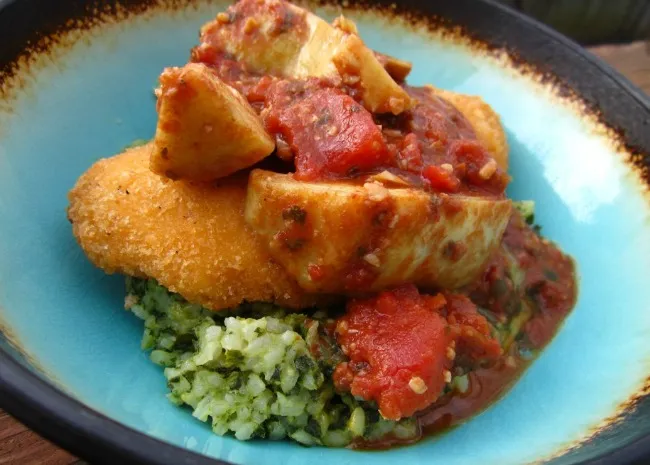
The Ultimate Skillet Artichoke and Sun-Dried Tomato Chicken
This elegant, one-pan Artichoke and Sun-Dried Tomato Chicken recipe brings the vibrant, sun-drenched flavors of the Mediterranean straight to your dinner table. Combining the deeply concentrated, sweet-savory punch of sun-dried tomatoes with the tender, earthy tang of artichoke hearts, this dish delivers a complex flavor profile that tastes as though it simmered for hours. Yet, thanks to smart kitchen techniques and efficient pan management, it comes together in under 45 minutes, making it an excellent candidate for both hurried weeknight dinners and relaxed weekend entertaining.
The culinary success of this recipe relies entirely on strategic layers of flavor built within a single skillet. By searing the chicken to develop a rich, caramelized crust, we lay down a foundation of deep savoriness known as a fond. This base is subsequently deglazed with a crisp dry white wine and swirled with heavy cream, yielding a velvety, emulsified pan sauce that clings beautifully to every ingredient. It is a harmonious marriage of rich textures and bright, balancing acidity that elevates simple poultry into a truly memorable meal.
Ingredients
To achieve the best possible texture and depth of flavor, prioritize high-quality pantry staples. Utilizing sun-dried tomatoes packed in oil, rather than the dry-packed variety, yields a double benefit: you receive tender, plump tomatoes and a highly aromatic, infused oil that serves as the perfect flavor-starter for the entire dish.
For the Chicken and Initial Sear
-
2 pounds boneless, skinless chicken thighs (approximately 6 to 8 pieces, trimmed of excess fat)
-
1 teaspoon kosher salt
-
1/2 teaspoon freshly cracked black pepper
-
1 teaspoon dried oregano
-
1/2 teaspoon dried thyme
-
2 tablespoons aromatic olive oil (reserved directly from the sun-dried tomato jar)
For the Mediterranean Pan Sauce
-
1 cup oil-packed sun-dried tomatoes, drained and cut into thin strips
-
1 can (14 ounces) artichoke hearts in water, drained, thoroughly patted dry, and quartered
-
1 medium yellow onion, finely diced
-
4 cloves fresh garlic, minced
-
1/2 cup dry white wine (such as Pinot Grigio, Sauvignon Blanc, or unoaked Chardonnay)
-
3/4 cup low-sodium chicken stock
-
1/2 cup heavy cream
-
2 cups fresh baby spinach, tightly packed
For the Garnish
-
1/4 cup fresh Italian flat-leaf parsley, finely chopped
-
2 tablespoons fresh basil leaves, gently torn
-
1/4 cup Parmigiano-Reggiano, freshly grated
Step-by-Step Instructions
1. Prepare and Season the Protein
Pat the chicken thighs completely dry using paper towels. Removing surface moisture is crucial; any remaining water will create steam in the pan, preventing the sugars and proteins from caramelizing properly. Season both sides of the chicken evenly with the kosher salt, cracked black pepper, dried oregano, and dried thyme. Allow the chicken to sit at room temperature for roughly 10 minutes before cooking to ensure it cooks evenly throughout.
2. Achieve a Deep, Golden Sear
Place a large, heavy-bottomed skillet or cast-iron pan over medium-high heat and add the 2 tablespoons of reserved sun-dried tomato oil. Once the oil begins to shimmer but not smoke, lay the chicken thighs into the skillet in a single layer. Cook undisturbed for 5 to 6 minutes. Resisting the urge to move the chicken allows a deep, golden-brown crust to form. Flip each piece and sear the second side for an additional 5 minutes. The chicken will not be entirely cooked through at this stage; remove it from the skillet and transfer it to a warm plate to collect the resting juices.
3. Sauté the Aromatics and Build the Base
Reduce the skillet heat to medium. The bottom of your pan should now feature beautiful, browned bits. Add the finely diced yellow onion directly into the remaining fat. Sauté for 3 to 4 minutes, stirring frequently with a wooden spoon, until the onions are soft and translucent. Introduce the minced garlic, sliced sun-dried tomatoes, and quartered artichoke hearts. Cook for an additional 1 to 2 minutes. Stir constantly during this step to prevent the garlic from scorching, which would introduce an unwanted bitter flavor to the sauce.
4. Deglaze the Skillet
Pour the dry white wine into the hot skillet. It will bubble rapidly. Use your wooden spoon to vigorously scrape up all the caramelized, browned bits stuck to the bottom of the pan. Let the wine simmer vigorously for 2 to 3 minutes, or until the liquid has reduced by half. This step burns off the harsh alcohol bite, leaving behind a concentrated, bright, and acidic flavor foundation.
5. Simmer and Emulsify the Cream Sauce
Pour the low-sodium chicken stock and heavy cream into the skillet, stirring continuously to seamlessly combine the liquids with the aromatics. Bring the mixture up to a gentle, steady simmer. Carefully slide the seared chicken thighs and any accumulated juices on the plate back into the skillet, nesting them down into the artichoke and tomato mixture. Simmer uncovered for 6 to 8 minutes. The sauce will gradually thicken and reduce, while the chicken finishes cooking. Ensure the internal temperature of the thickest chicken thigh registers 165°C (74°C) on a digital meat thermometer.
6. Wilt the Greens and Serve
Add the fresh baby spinach to the pan. Fold the leaves gently into the hot cream sauce for 1 to 2 minutes until completely wilted. Remove the skillet from the heat source. Scatter the finely chopped fresh parsley, torn basil, and freshly grated Parmigiano-Reggiano across the top. Serve immediately while hot.
Expert Tips & Variations
Professional Cooking Tips
-
Manage Skillet Crowding: If your skillet cannot comfortably accommodate all the chicken thighs with at least a half-inch of space between them, sear the meat in two separate batches. Crowding the pan drops the temperature instantly, resulting in grey, steamed chicken rather than a crisp, golden crust.
-
Emulsification Control: If you notice your cream sauce looks slightly thin, remove the chicken at the end of cooking and let the sauce simmer on its own for an extra 2 minutes to reduce further before adding the spinach.
Ingredient Substitutions and Dietary Variations
This flexible recipe adapts beautifully to various dietary preferences and pantry availability:
| Original Ingredient | Culinary Substitution | Purpose & Dietary Benefit |
| Chicken Thighs | Boneless, skinless chicken breasts | Creates a leaner dish; reduce simmering time by 3 minutes to avoid drying out the white meat. |
| Heavy Cream | Full-fat canned coconut milk | Renders the dish entirely dairy-free and Paleo-compliant while maintaining a rich texture. |
| White Wine | Chicken stock + 1 tbsp fresh lemon juice | Completely alcohol-free alternative that retains the essential bright acidity. |
| Baby Spinach | Chopped Lacinato or curly kale | Provides a more robust, rustic texture; add 3 minutes earlier to soften the leaves. |
Serving Suggestions
The Perfect Accompaniments
This dish yields a remarkably rich, savory pan sauce that begs to be captured by an appropriate side dish:
-
Al Dente Pasta: Serve the chicken over a warm bed of capellini, fettuccine, or rigatoni. Toss the pasta with a splash of hot pasta water and a spoonful of the cream sauce before plating to ensure it coats the noodles evenly.
-
Low-Carb Bases: For a lighter alternative, spoon the chicken and robust artichoke sauce over garlic-primed cauliflower rice, zucchini noodles, or a simple bed of lightly dressed wild arugula.
-
Artisanal Bread: Pair the skillet directly with a warm, crusty loaf of French baguette or rustic sourdough to mop up every drop of the remaining Mediterranean sauce.
Storage & Make-Ahead Notes
Refrigeration and Storage
Allow any leftover chicken and sauce to cool completely to room temperature before transferring them into an airtight storage container. Store in the refrigerator for up to 3 to 4 days. The complex flavors of the artichokes, garlic, and sun-dried tomatoes will continue to meld and deepen overnight, often making the leftovers taste even better the following day.
Reheating Instructions
To prevent the chicken from turning rubbery and to ensure the cream sauce does not split into a greasy layer, avoid using a high-power microwave. Instead, transfer the leftovers to a small skillet set over medium-low heat. Add 1 to 2 tablespoons of chicken stock or water to naturally loosen the cream base. Cover with a tight-fitting lid and heat gently for 5 to 7 minutes, stirring occasionally, until the chicken is thoroughly warmed through to its center.
A Note on Freezing: Due to the high dairy content in the heavy cream, freezing this specific dish is not recommended. Dairy-based pan sauces easily break, separate, and develop an unappealing grainy texture once thawed and reheated.
Nutrition Information
Estimations provided per individual serving, assuming the recipe is divided into 4 equal portions:
-
Calories: 480 kcal
-
Protein: 42 g
-
Fat: 28 g
-
Saturated Fat: 11 g
-
Carbohydrates: 12 g
-
Fiber: 3 g
-
Sugar: 5 g
-
Sodium: 780 mg